Masonry restoration in Davis CA - old brick walls that stay sound and dry
Crumbling joints, hairline cracks or stained brick? We repoint and clean your walls with the right mortar and the gentlest method that works.
Masonry restoration starts with mortar. Your brick depends on it.
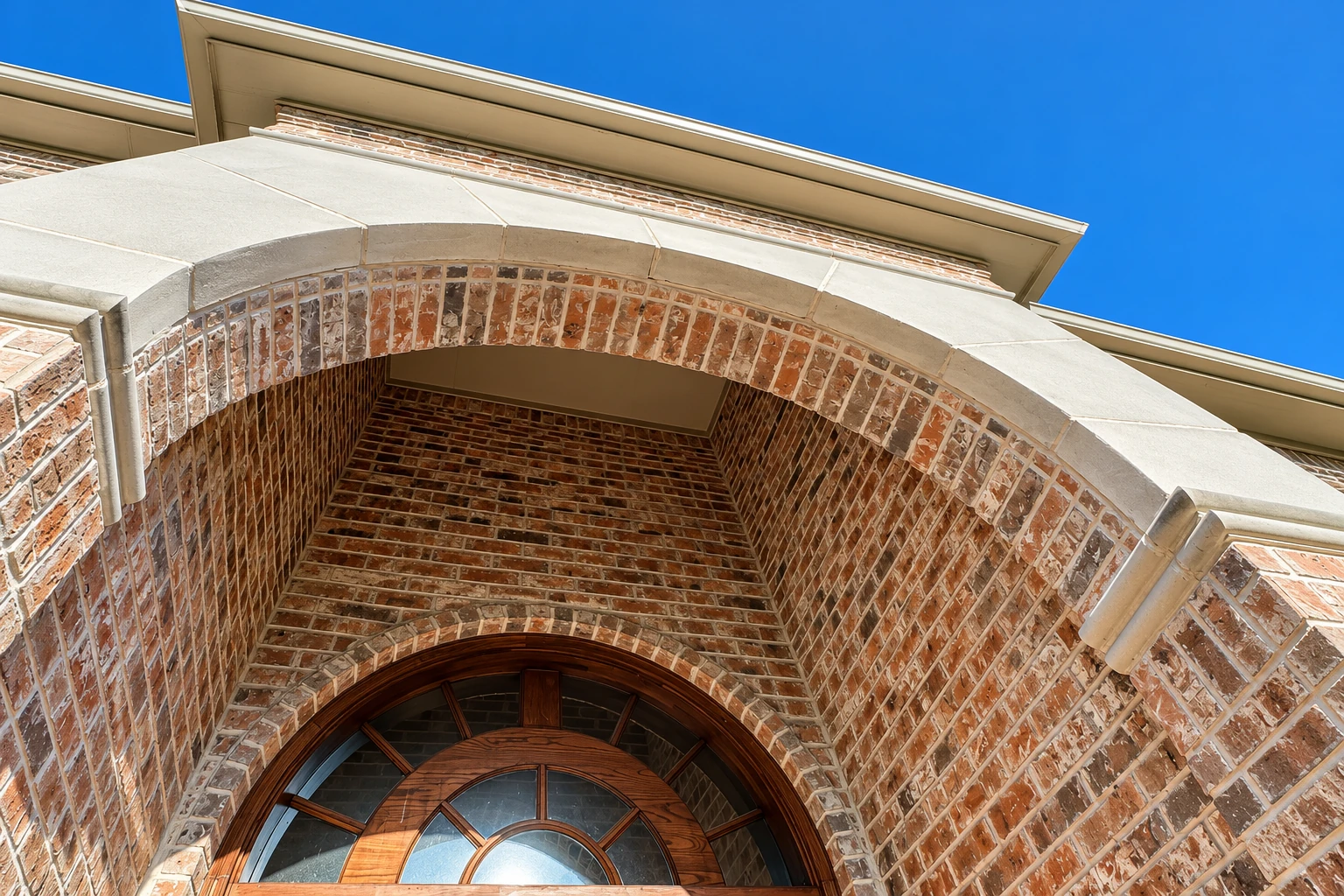
Masonry restoration in Davis usually means repointing, which is raking out worn mortar and packing fresh mortar into the joints, along with cleaning the wall. Sound joints let moisture work its way out of the wall and dry off, and that's what keeps the bricks from getting damaged.
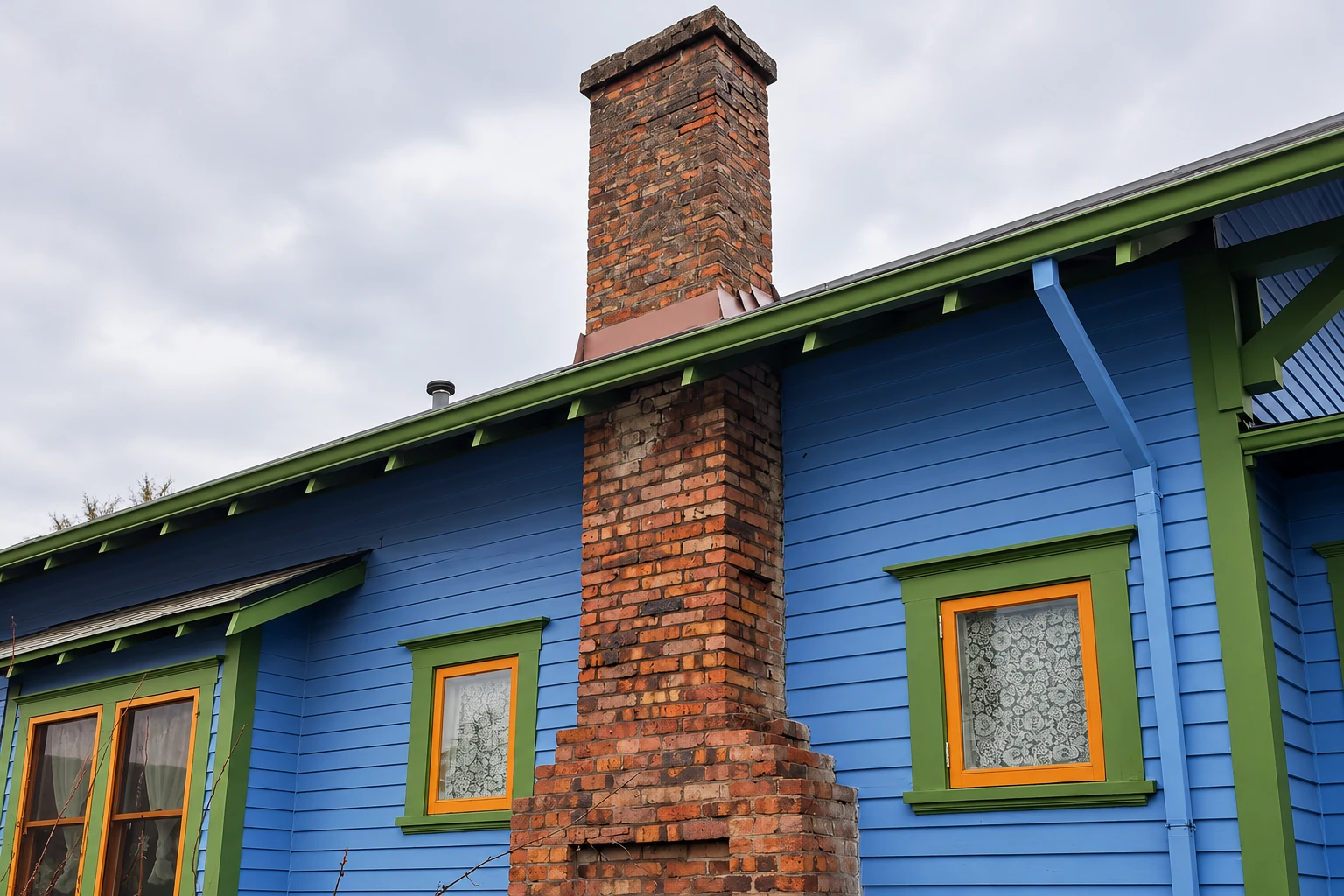
Mortar is the part meant to wear. Joints typically last more than 25 years while brick may well go past 100, so on most older houses the brick is fine and it's the mortar that's done. That means a sound wall can need repointing more than once in its life.
Price comes down to how much of the wall needs raking out, how high it goes, how many bricks need replacing and how stubborn the dirt or paint is. The schedule mostly turns on whether your job needs a permit. The written estimate I send after looking at your wall gives you your own figure.
Masonry restoration starts gentle. We fix causes, not just cracks.
We clean with the gentlest method first and only go stronger if the wall needs it, because harsh cleaning can strip the face right off old brick. When I see a big crack, I want to know what's causing it before anyone patches it, since a patch over a moving crack just opens back up.
On an older Davis house, I ask early whether it's a historical structure. The city's Planning Commission keeps the inventory of historical resources, and the Conservation District carries its own design guidelines, though downtown and some other areas have been taken out of it, so it's worth checking your address before work starts.
Masonry restoration covers more than mortar. Here's what we handle.
Repointing worn joints
We rake out crumbling or hollow mortar back to sound material and pack fresh mortar in, so each joint is full and bonded to the brick.
Matching the old mortar
We mix new mortar to suit what's already in the wall, in strength, color and texture, so the repair works with the brick and blends in.
Cleaning brick and stone
Dirt, soot, stains and old paint come off with the mildest method that does the job, tried on a small patch before we touch the whole wall.
Replacing damaged brick
Cracked or flaking bricks come out one at a time and go back with matched brick, so the wall still reads as one piece.
Resetting loose brick
Loose bricks on garden walls, steps and cap rows come down, get cleaned and go back in fresh mortar so they sit tight again.
Fireplaces and veneer
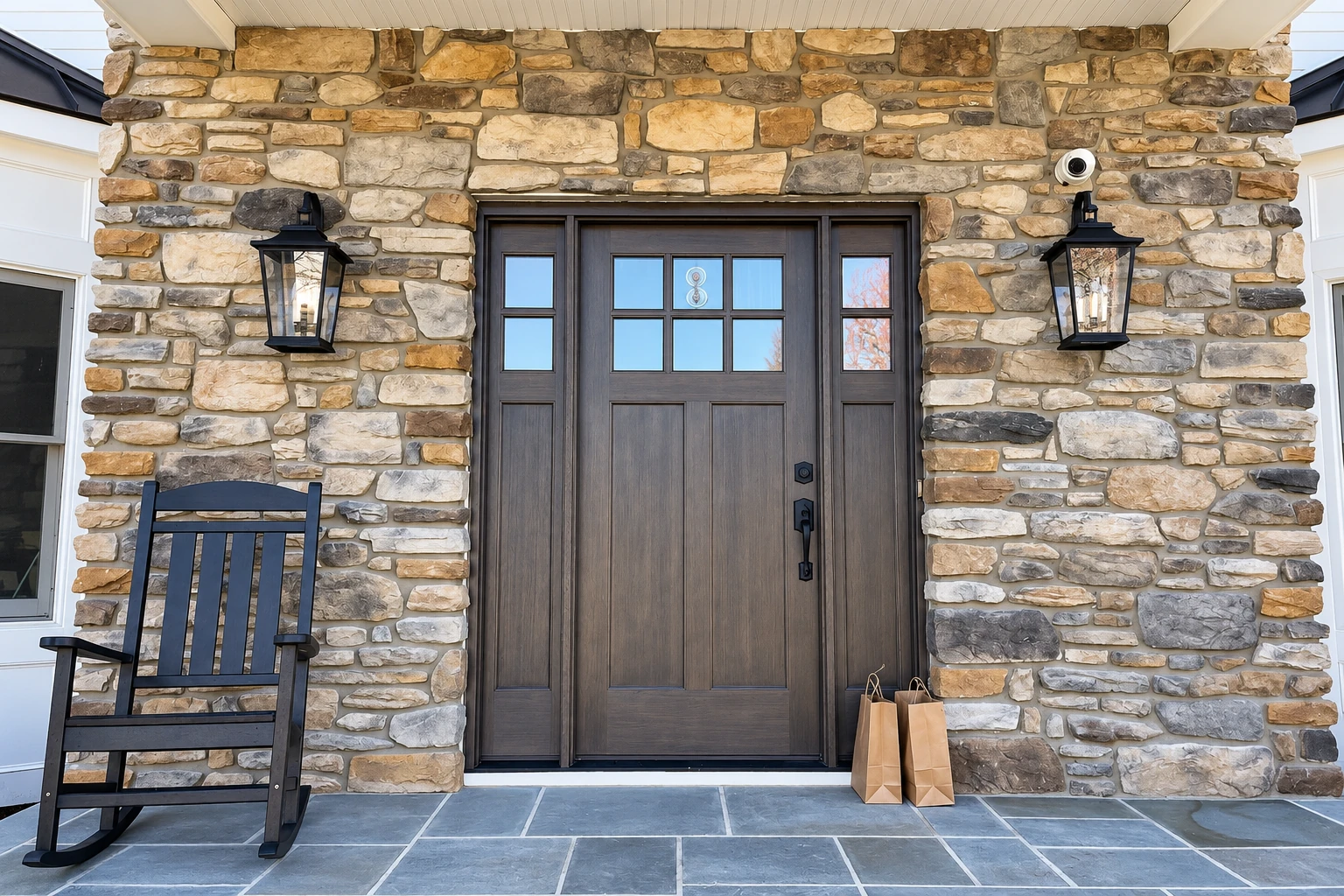
The same care goes into brick and stone around a fireplace installation or a stone veneer installation, so new work and old work match.
Brick and mortar restoration done right lasts. Shortcuts cost you brick.
Bad restoration usually hurts the brick, not just the joints. Mortar harder than the original, a sandblaster, or fresh mortar smeared over a crack that's still moving can each leave you with damage no later repair undoes.
We plan it to last by finding what failed first, then matching the mortar and the cleaning to your wall, and I check the work as it goes. Done that way, the repair looks like it belongs on your house, and the brick is still there for the next repointing.
Here's how it runs. I look first, then we work.
Call or send photos
Call or use the form and tell us what your wall is doing. We'll get back to you and set up a time to come out.
I look at the wall
I come out myself, go over the joints, brick and any cracks with you, and tell you right there what I think it needs and what can wait.
Your written estimate
I follow up with a written estimate for the work we talked about on site, so you have it in hand before you decide anything.
Permit, work and clean-up
We pull any permit needed, which the city usually processes in 20 to 35 business days, then work, clean up and walk it with you.
Tell us about your brick. We'll come take a look.
Send photos of worn joints or cracks and tell us if your house is in a historic area. We reply within one business day to set a free, no-obligation visit.
(530) 298-0279Based in Davis. Working across the cities around it.
- Davis, CA
- Vacaville, CA
- Woodland, CA
- West Sacramento, CA
- Dixon, CA
- Winters, CA
- Elk Grove, CA
- Fairfield, CA
- Roseville, CA
- Rancho Cordova, CA
- Florin, CA
- Arden-Arcade, CA
We're based in Davis and work across the cities around it, including Woodland and Vacaville. If your city isn't on the list, give us a call and ask.
Mon–Fri: 6 AM–11 PM, Sat–Sun: 8 AM–9 PM
Questions about masonry restoration. Straight answers below.
Here are plain answers on mortar, cleaning, permits and licensing. If your question isn't covered here, call us and ask.
How do I know if my brick mortar needs repointing?
It's time when the mortar has worn back more than 1/4 inch, crumbles, has gaps or shows hairline cracks, according to the brick industry's repair guidance. Cracks opening between the brick and the mortar count too. You can check your own walls for these, and photos of what you find help us.
What kind of mortar should be used on an older brick house?
Use mortar that's similar to the original in strength or weaker, not stronger. The brick industry warns that mortar harder than the old joints can damage brick in ways that can't be repaired, so we match the old mortar instead of reaching for a hard modern mix.
Is it safe to pressure wash or sandblast old brick in Davis?
Not at high pressure, usually. National Park Service guidance written for historic masonry starts with very low-pressure water, even a garden hose, and raises it only as needed, while grit blasting, grinders and sanding discs usually take some of the surface off with the dirt. That's why we start gentle.
Who reviews permits for historic homes in Davis?
The city's Building Division reviews and issues all permit types, and the Planning Commission reviews applications for alteration permits on historical structures. When your job needs a permit, we pull it, set up the inspections and keep you posted, or give you what you need if you'd rather file it yourself.
What license does a masonry contractor need in California?
California's Contractors State License Board has a masonry classification that covers brick, block, stone and terra cotta work, along with the cleaning and clear waterproofing that go with masonry. We're licensed and fully insured, and I'm glad to talk through any of it when I come out.
Restoration is one part of it. See what else we build.
Worn mortar or tired brick in Davis? Call for a free estimate.
Tell us what your wall is doing by phone or the form, and we'll set a time to come look. The work is backed by our satisfaction guarantee.
(530) 298-0279